Don't Let Your Gummies Go Bad: The Complete Guide to CBD Storage and Freshness
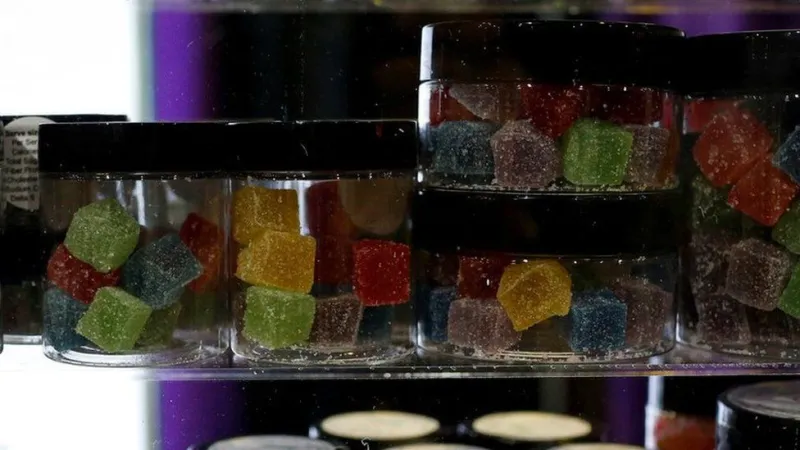
Photo: CBD gummies stored in glass jar on kitchen shelf, via ichef.bbci.co.uk
Here's something most people never think about: the moment you buy a bag of CBD gummies, the clock starts ticking. Not in a dramatic, countdown-to-disaster way — but in a very real, chemistry-is-happening kind of way. CBD is a compound that degrades over time, and the conditions you store your gummies in can either slow that process way down or speed it up dramatically.
If you've ever wondered why your gummies from six months ago seem less effective than when you first opened them, or why one bag seemed to go weird way faster than another, storage is almost certainly the culprit. Let's break it all down.
Why CBD Degrades in the First Place
CBD — cannabidiol — is an organic compound, which means it reacts to its environment. Exposure to heat, light, and moisture can all break down the molecular structure of CBD, reducing its potency before you've even finished the bag. The gummy itself — made of gelatin or pectin, sweeteners, and flavorings — is also susceptible to those same conditions. A gummy that's gone sticky, hard, or off-smelling isn't just unpleasant to eat; it's a signal that the CBD inside may have degraded significantly too.
Most quality CBD gummies have a shelf life of around 12 to 24 months from the manufacture date, assuming they're stored correctly. But "stored correctly" is doing a lot of heavy lifting in that sentence.
The Three Enemies of CBD Gummy Freshness
Heat
Heat is probably the single biggest threat to your gummies' longevity. Temperatures above 70–75°F can start to degrade CBD and cause the gummy base to melt, stick together, or develop a waxy coating on the outside. That's why leaving your gummies in a hot car, near a stove, or on a sunny windowsill is a recipe for disappointment.
Room temperature storage is fine for short-term use, as long as your home stays relatively cool. During summer months or in warmer climates, moving your gummies to the refrigerator is a smart call.
Light
UV light is another major degrader of CBD. Direct sunlight — or even prolonged exposure to bright indoor lighting — can break down cannabinoids faster than you'd expect. This is why many quality brands package their gummies in dark or opaque containers. If yours came in a clear bag or jar, consider transferring them to a dark, airtight container.
Humidity and Moisture
Moisture is the sneaky one. A little humidity can cause gummies to stick together, grow mold, or develop a slimy texture. On the flip side, extremely dry conditions can make them hard and crumbly. The sweet spot is a cool, dry environment — not the bathroom cabinet (way too much humidity from showers), and not the freezer unless you're storing long-term and plan to thaw them properly.
Where Should You Actually Store Your Gummies?
The best everyday storage spot is a cool, dark cabinet or drawer — away from the stove, away from windows, and away from any appliance that generates heat. Think: a pantry shelf, a bedside drawer, or a kitchen cabinet that doesn't get afternoon sun.
For longer-term storage (if you bought in bulk or are stocking up), the refrigerator works well. Just make sure the container is airtight so the gummies don't absorb any food odors or moisture from the fridge environment. Let them come to room temperature before eating if you prefer a softer texture.
The freezer is an option for very long-term storage — up to a year or more — but it's generally overkill for most people. If you do freeze them, use a vacuum-sealed bag to prevent freezer burn and moisture exposure.
Common Storage Mistakes to Avoid
Leaving the bag open. This is probably the most common mistake. Once the original seal is broken, oxygen, moisture, and light all start doing their thing. Always reseal the original packaging tightly, or better yet, transfer your gummies to a small, airtight glass jar.
Storing them in the bathroom. It feels convenient — you take your vitamins there, why not your CBD? But bathrooms are humidity hot zones. That medicine cabinet is one of the worst places for any supplement.
Tossing them in a gym bag or purse. Again, convenience is tempting, but the constant temperature swings and exposure to heat (especially in a car or gym locker) will degrade them fast. If you need gummies on the go, carry only what you'll use that day.
Ignoring the expiration date. Yes, CBD gummies have one. Check the packaging. If yours are past the printed date, the potency and quality are genuinely in question.
Signs Your Gummies Have Gone Bad
So how do you know when it's actually time to let them go? Here are the red flags:
- Unusual smell: Fresh gummies smell like their flavor profile — fruity, earthy, or sweet. A sour, rancid, or "off" smell is a clear warning sign.
- Changed texture: Gummies that have gone rock hard, overly sticky, or slimy have been compromised by temperature or moisture extremes.
- Visible mold: This one's obvious. Any fuzz or discoloration means toss them immediately.
- Faded color: Significant color change can indicate light degradation.
- Noticeably weaker effects: If you've been taking the same dose for months and suddenly feel like nothing's happening, your CBD may have lost potency.
Getting the Most Out of Every Bag
Thinking about storage as part of your wellness routine — not just an afterthought — makes a real difference. You're investing in your health when you buy quality CBD gummies. Protecting that investment is as simple as choosing the right spot in your home and keeping things sealed tight.
At Farms CBD Gummies, we're big believers in transparency around the full lifecycle of a product. From how it's grown and made to how it holds up in your cabinet, every detail matters when you're trying to get consistent, reliable results. A little attention to storage goes a long way toward making sure your gummies are working just as hard on day 60 as they were on day one.