From the Gym to the Trail: What Athletes Need to Know About CBD Gummies and Recovery

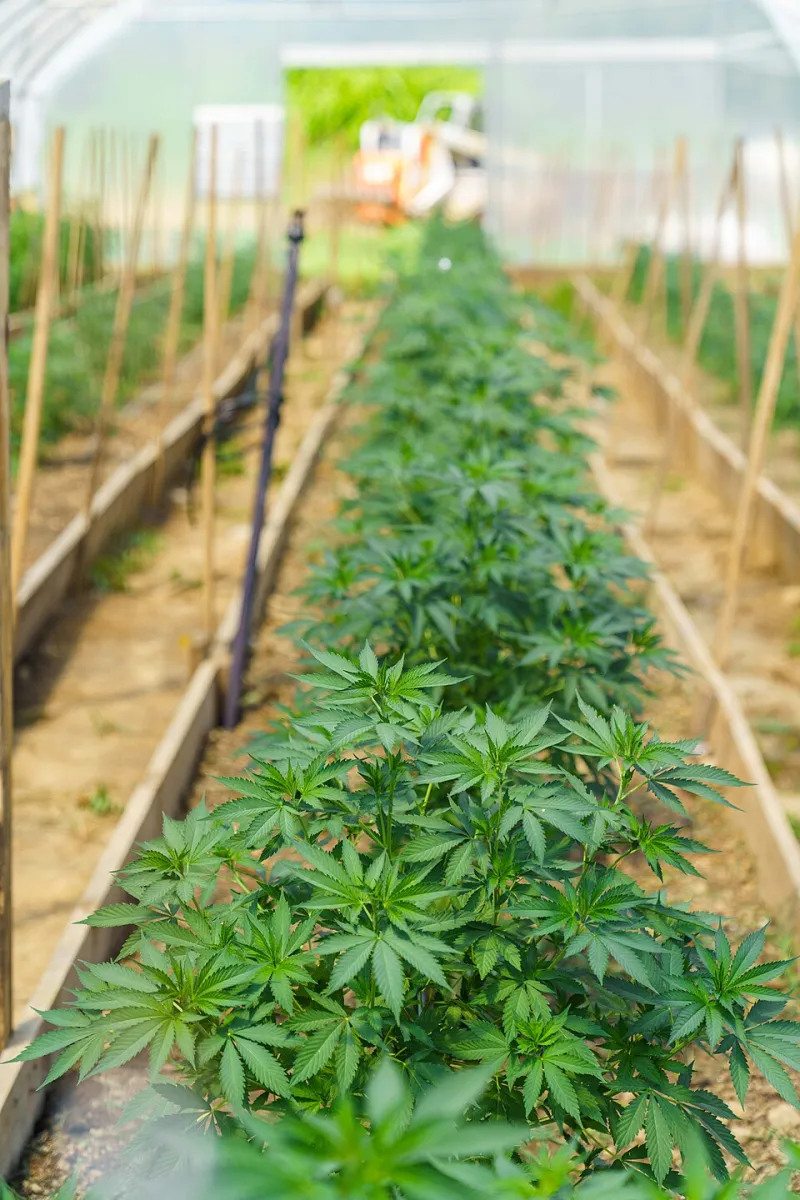
Photo: Timmy96, CC0, via Wikimedia Commons
Whether you're logging miles on a Saturday morning run, grinding through back-to-back CrossFit sessions, or just trying to keep up with a recreational sports league without feeling destroyed the next day — recovery is everything. And lately, CBD gummies have been making serious inroads in the fitness community as a natural recovery aid.
But is the buzz justified? Or is this another wellness trend that sounds better than it delivers? Let's look at what the research says, what's still being figured out, and how CBD gummies might actually fit into an active lifestyle.
The Recovery Problem Nobody Talks About Enough
Here's the thing about exercise: it's controlled damage. When you push your muscles hard, you're creating microscopic tears that your body then repairs — and that repair process is what makes you stronger. But the inflammation and soreness that come with that process? That's the part that sidelines people, slows progress, and makes the couch look way more appealing than the gym.
Managing that recovery window well is what separates athletes who improve steadily from those who plateau or burn out. Sleep, nutrition, hydration, and stress management all play critical roles. And increasingly, CBD is entering that conversation — not as a magic bullet, but as a potential tool to support the body's natural recovery process.
What CBD Actually Does in the Body (The Short Version)
CBD interacts with the endocannabinoid system (ECS), which is involved in regulating inflammation, pain perception, stress response, and sleep — all of which are directly relevant to athletic recovery.
The ECS has receptors throughout the body, including in muscle tissue and the immune system. When CBD engages with these receptors, it may help modulate the inflammatory response — not shut it off entirely (you need some inflammation for healing), but keep it from going into overdrive. That's an important distinction. CBD isn't an anti-inflammatory in the way ibuprofen is. It's more nuanced than that.
A 2020 review published in Sports Medicine noted that CBD may offer several properties relevant to athletes: analgesic (pain-relieving), anti-inflammatory, anxiolytic (anxiety-reducing), and sleep-promoting effects. The researchers were careful to note that most evidence is still preclinical or based on small human studies, but the direction of the research is encouraging.
Is CBD Legal in Sports?
This is the question every competitive athlete needs answered before anything else — and the good news is largely positive.
In 2018, the World Anti-Doping Agency (WADA) removed CBD from its list of prohibited substances. That was a significant moment. The US Anti-Doping Agency (USADA) followed suit. CBD is now permitted in competition.
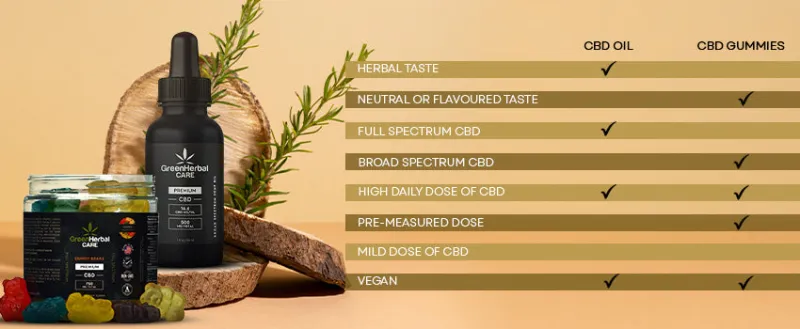
However — and this is critical — THC is still prohibited by WADA and most major sports organizations. This is where product selection matters enormously. Full-spectrum CBD products contain trace amounts of THC (under 0.3% by federal law), which could theoretically accumulate and trigger a positive test with heavy use. For competitive athletes subject to drug testing, broad-spectrum CBD or CBD isolate products are the safer choice, since THC has been removed or was never present.
If you're competing at any level where testing is a possibility, always check your specific sport's governing body rules, and choose third-party tested products with a certificate of analysis (COA) confirming THC levels.
Muscle Recovery: What the Research Is Telling Us
Let's be upfront: we don't yet have large-scale, long-term clinical trials specifically on CBD and athletic recovery in humans. What we do have is a growing body of preclinical research, smaller human studies, and a lot of anecdotal evidence from athletes at every level.
Here's what's looking promising:
Inflammation modulation. Animal studies have shown CBD may reduce inflammatory markers. While we can't directly translate that to human athletic recovery, the mechanism is plausible and researchers are actively investigating it.
Sleep quality. This one has more direct human evidence. Better sleep = faster recovery. Period. If CBD helps you sleep more deeply and restoratively — which early research suggests it may — then the downstream benefits for recovery are real.
Pain perception. Some research suggests CBD may reduce perceived pain intensity, which could help athletes manage soreness without relying on NSAIDs like ibuprofen, which have their own set of risks when used chronically (including gut damage and potential interference with muscle protein synthesis).
Stress and cortisol. Hard training spikes cortisol, and chronically elevated cortisol tanks recovery, immune function, and even muscle growth. CBD's potential anxiolytic effects may help keep that stress response in check during heavy training blocks.
How Everyday Fitness Enthusiasts Are Using CBD Gummies
You don't have to be an elite athlete to care about recovery. The weekend hiker who can barely walk down stairs on Monday, the new runner dealing with persistent shin tightness, the gym-goer who can't seem to get quality sleep after evening workouts — these are the people who are quietly finding CBD gummies useful.
A practical approach many active folks are using:
- Post-workout gummy (15mg–25mg): Taken within an hour of finishing a tough session to support the body's recovery response.
- Nighttime gummy (20mg–30mg): Taken 45 minutes before bed on heavy training days to support deeper sleep.
- Daily maintenance dose (10mg–15mg): Some people find a consistent daily dose keeps them feeling more balanced overall, rather than just using CBD reactively.
Dosing is highly individual. Body weight, metabolism, the intensity of your training, and your personal ECS sensitivity all factor in. Starting low and adjusting over a couple of weeks is the most sensible approach.
What CBD Won't Do (Let's Be Real)
No recovery tool replaces the fundamentals, and CBD is no exception. If you're under-sleeping, under-eating, overtraining, and skipping rest days, a gummy isn't going to fix that. Think of CBD as a potential amplifier of good habits — not a substitute for them.
It also won't give you a performance boost in the way a pre-workout might. CBD isn't a stimulant. It doesn't increase strength or endurance directly. What it may do is help you recover well enough to train harder, more consistently, over time — and that's where the real gains live.
Choosing the Right CBD Gummy for an Active Lifestyle
Not all CBD gummies are built for the demands of an active lifestyle. Here's what to look for:
- Third-party tested with a COA. Non-negotiable. You need to know exactly what's in the product, especially if you're a competitive athlete.
- Appropriate CBD concentration. For recovery purposes, look for gummies with at least 15mg–25mg of CBD per serving. Lower-dose gummies may not provide meaningful support.
- Clean ingredient list. You're already treating your body as a performance tool — your recovery supplement shouldn't be full of artificial dyes, high-fructose corn syrup, or mystery additives.
- Broad-spectrum for tested athletes. If drug testing is a concern, broad-spectrum (THC-free) is your safest bet while still capturing many of the plant's beneficial compounds.
The Bigger Picture
The fitness community's interest in CBD isn't hype for hype's sake — there are real, biologically plausible reasons why cannabidiol might support recovery, and the research, while still developing, is pointed in an encouraging direction.
At Farms CBD Gummies, we believe in being straight with you: CBD is a promising natural wellness tool, not a miracle. But when you're consistent, choose quality products, and use CBD as part of a thoughtful recovery routine, it has a legitimate place in the active lifestyle toolkit.
Train hard. Recover smarter. And give your body the support it deserves.