Seed to Shelf: Why Where Your CBD Comes From Matters More Than You Think
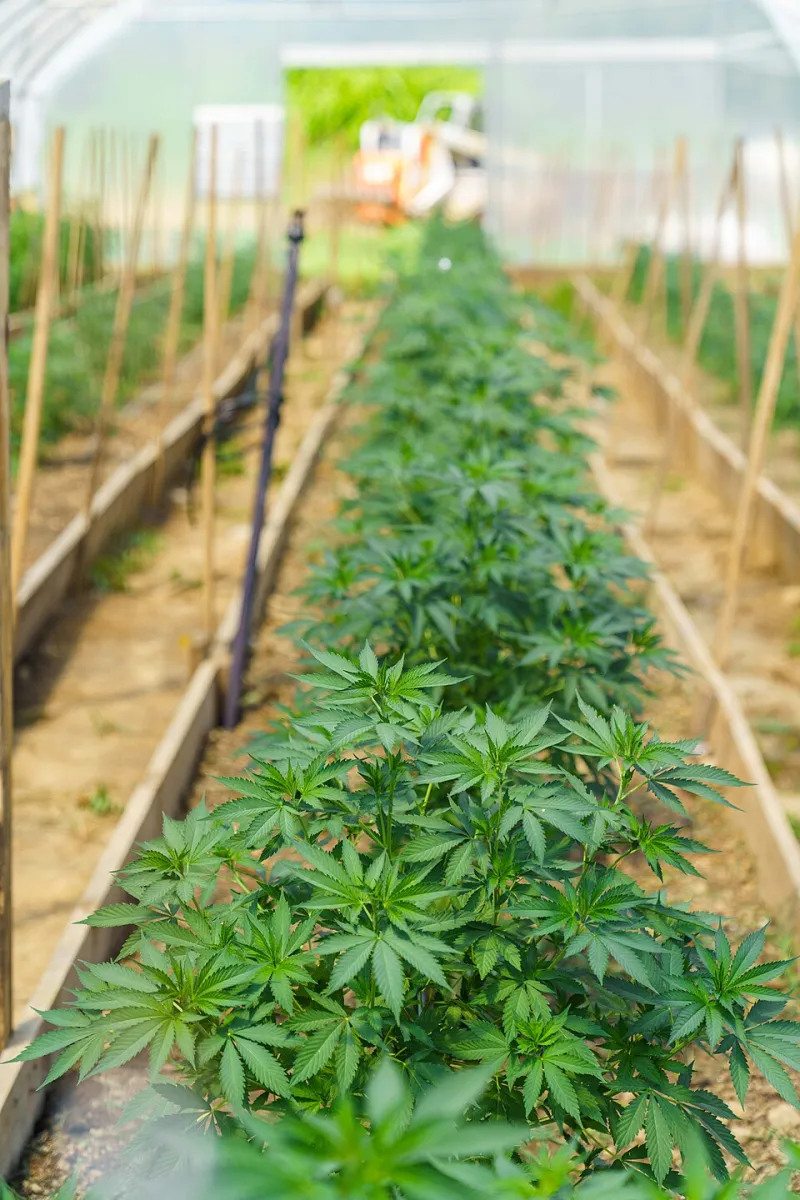
Photo: USDAgov, Public domain, via Wikimedia Commons
Walk down any supplement aisle these days and you'll find CBD products stacked from floor to ceiling. Gummies, tinctures, capsules, creams — the options are almost overwhelming. But here's the thing most brands don't want to talk about: the quality of what's inside that colorful packaging is almost entirely determined by decisions made months earlier, out on a farm somewhere.
At Farms CBD Gummies, we're kind of obsessed with that part of the story. Because we genuinely believe that a gummy is only as good as the hemp it comes from — and we think you deserve to know exactly how that hemp was grown, harvested, and turned into the wellness product sitting in your hand.
So let's take a walk through the whole process, from the very first seeds in the ground to the finished gummy you're about to pop.
It All Starts With the Soil
Seriously — the soil. This isn't just poetic language. Hemp is what scientists call a "hyperaccumulator," which means the plant is remarkably efficient at absorbing whatever's in the ground around it. Nutrients, minerals, and unfortunately, toxins too. Heavy metals, pesticide residue, industrial pollutants — hemp pulls them all in without discrimination.
That's why regenerative, organic farming practices aren't just a nice-to-have. They're a non-negotiable foundation for safe, effective CBD. Farms that prioritize soil health through composting, crop rotation, and natural pest management are producing hemp that's genuinely cleaner at a molecular level. When you skip the synthetic fertilizers and harsh chemicals, you're not just being environmentally responsible — you're protecting the end consumer.
The best hemp in the US tends to come from states like Colorado, Oregon, and Kentucky, where agricultural heritage runs deep and farmers have adapted quickly to hemp cultivation standards. Farms in these regions often operate under strict state oversight, which adds another layer of accountability to the sourcing process.
Timing the Harvest: More Art Than Science
Here's something that surprises a lot of people: when hemp gets harvested has a massive impact on cannabinoid content. Hemp plants produce their highest concentrations of CBD — along with the full spectrum of beneficial terpenes and minor cannabinoids — during a relatively narrow window before the plant fully matures.
Harvest too early, and you're leaving potency on the table. Wait too long, and THC levels can creep up while CBD content drops. Experienced hemp farmers read their plants like a language, watching trichome development under magnification and tracking cannabinoid ratios through field testing. It's genuinely skilled work, and it directly affects what ends up in your gummy.
At Farms CBD Gummies, we partner with growers who treat harvest timing as a craft — not just a checkbox on a production schedule. That attention to detail is part of what makes the difference between a gummy that actually supports your wellness routine and one that's basically just flavored sugar.
From Plant to Extract: The Extraction Question
Once the hemp is harvested, the next critical step is extraction — pulling the beneficial compounds out of the plant material and concentrating them into a usable form. There are several methods used in the industry, and they're definitely not all equal.
CO2 extraction is widely considered the gold standard. It uses pressurized carbon dioxide to isolate cannabinoids without introducing chemical solvents into the mix. The result is a clean, potent extract that preserves the full range of beneficial compounds — including CBD, minor cannabinoids like CBG and CBN, and aromatic terpenes that contribute to what's known as the "entourage effect."
Solvent-based extraction methods (using ethanol or hydrocarbons) can be effective when done properly, but they require rigorous post-processing to eliminate any residual solvents from the final product. If that step gets rushed or skipped, those solvents end up in your body. Not ideal.
Knowing what extraction method a brand uses is a legitimate question to ask — and any company worth its salt should be able to answer it clearly.
Third-Party Testing: The Non-Negotiable Standard
Okay, so you've got organically grown hemp, harvested at peak potency, extracted cleanly. You'd think that's enough, right? Not quite. The final — and arguably most important — step in ensuring quality is independent, third-party lab testing.
This is where a lot of companies cut corners, and it's a big deal. Third-party testing means sending your product to an accredited laboratory that has zero financial stake in the results. These labs test for:
- Cannabinoid potency — does the product actually contain what the label says it does?
- Heavy metals — lead, mercury, arsenic, cadmium
- Pesticide residues — especially important given hemp's bioaccumulation tendencies
- Microbial contaminants — mold, bacteria, yeast
- Residual solvents — if applicable to the extraction method used
At Farms CBD Gummies, we publish our Certificates of Analysis (COAs) — the official lab reports — so you can see exactly what's in every product before you buy. If a brand can't or won't show you their COAs, that's a serious red flag.
From Extract to Gummy: Formulation Matters
The final leg of the journey involves turning that clean hemp extract into the actual gummy you'll be chewing. This step matters more than most people realize. The carrier ingredients, sweeteners, flavorings, and binding agents used in formulation all affect both the safety and the bioavailability of the CBD.
We opt for natural flavors and colors wherever possible, avoiding artificial dyes and high-fructose corn syrup. We also pay close attention to how CBD is incorporated into the gummy matrix — proper emulsification helps ensure that the cannabinoids are evenly distributed throughout each piece, so you're getting a consistent dose every single time.
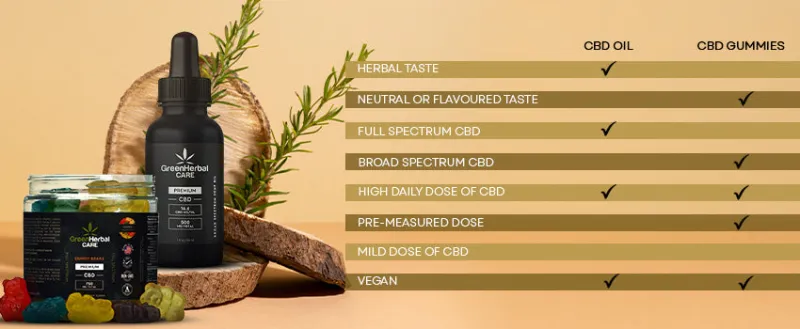
Precise dosing is actually one of the biggest advantages gummies have over some other delivery formats. Each piece contains a measured amount of CBD, which takes all the guesswork out of your wellness routine.
What to Look for as a Smart Shopper
If you take nothing else from this article, take this checklist. When evaluating any CBD gummy brand, ask these questions:
- Is the hemp organically grown in the US?
- What extraction method is used?
- Are third-party COAs available and up to date?
- Does the label clearly state the CBD content per serving?
- Are the other ingredients clean and recognizable?
The CBD industry has come a long way, but it's still largely unregulated at the federal level, which means the responsibility for quality falls heavily on brands — and on informed consumers. At Farms CBD Gummies, we embrace that responsibility enthusiastically, because we believe that transparency isn't just good ethics. It's good wellness.
Your body deserves to know what you're putting into it. And now, so do you.