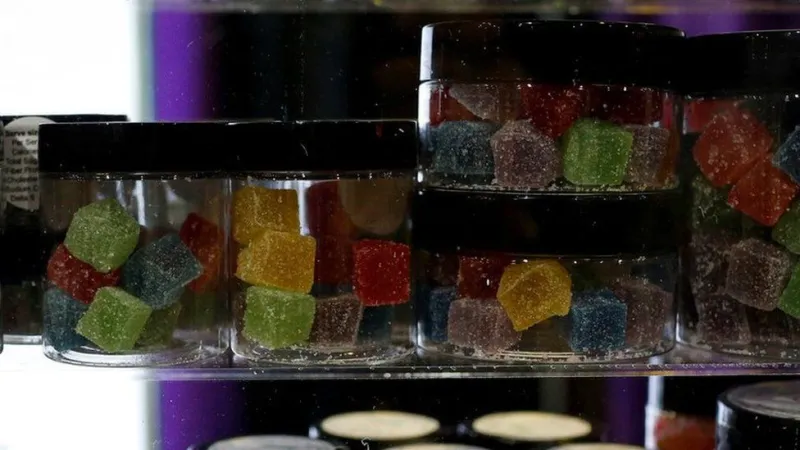
What's Actually Inside That Gummy? A Plain-English Guide to CBD Ingredient Labels

Photo by Photo by Elsa Olofsson on Unsplash on Unsplash
Pick up two different bottles of CBD gummies at your local wellness shop. Flip them over. Both say 25mg of CBD per piece. Both claim to be "natural" and "premium." Both are priced differently — sometimes dramatically so. So what gives?
The answer is almost never about the CBD. It's about everything else crammed into that little chew. Fillers, sweeteners, gelling agents, colorants, preservatives — the supporting cast of a CBD gummy can either reinforce its wellness potential or quietly undermine it. Once you know how to read an ingredient label, you'll never look at a gummy the same way again.
Why the "Other Ingredients" Section Is the Most Important Part of the Label
Most people zero in on the CBD content first, which makes total sense. But the active compound is only one piece of the puzzle. The bioavailability of that CBD — meaning how much of it your body actually absorbs and uses — is heavily influenced by the carrier ingredients surrounding it. A poorly formulated gummy can reduce the effectiveness of even high-quality CBD extract.
Beyond efficacy, the other ingredients matter for your overall health. If you're reaching for CBD gummies as part of a wellness routine, it's worth asking whether the rest of the formula is working with you or against you.
The Sweetener Situation: Why Corn Syrup Deserves Your Attention
Here's where things get interesting. The vast majority of gummy candies — CBD or otherwise — rely on corn syrup as a primary sweetener and texture agent. It's cheap, it keeps gummies soft, and it extends shelf life. For mass-market candy, that's fine. For a product you're taking as part of a health routine, it's worth a second look.
High-fructose corn syrup in particular has been linked in multiple studies to metabolic concerns when consumed regularly. Even standard corn syrup, while lower in fructose, contributes to overall sugar load without offering any nutritional value.
Better-formulated CBD gummies will use alternatives like organic cane sugar, tapioca syrup, or even natural sweeteners like monk fruit or stevia. These options aren't perfect for everyone — people managing blood sugar will want to check totals regardless — but they signal that a brand is thinking about the full ingredient picture, not just the cheapest path to production.
Gelatin vs. Pectin: It's Not Just a Vegan Thing
The gelling agent in your gummy determines its texture and chewiness. Conventional gummies use gelatin, which is derived from animal collagen — typically pork or beef byproducts. That's a dealbreaker for vegans and vegetarians, obviously, but it's also worth knowing for anyone who prefers to minimize highly processed animal-derived additives.
Pectin, the plant-based alternative sourced from fruit rinds, has become the gold standard in quality CBD gummies. It produces a slightly different texture — a bit firmer, a little less sticky — and it's naturally derived. If you see pectin on the label, it's generally a good sign that the brand is paying attention to ingredient sourcing across the board.
Artificial Colors and Flavors: The Shortcut You Can Spot Immediately
That bright red gummy in your hand — what's making it red? If the label lists "Red 40" or "artificial color," you're looking at a synthetic dye that has no business being in a wellness product. Same goes for artificial flavors, which are lab-engineered compounds designed to mimic natural taste profiles at a fraction of the cost.
Natural coloring agents like fruit and vegetable juice concentrates, turmeric, or spirulina are increasingly common in premium formulations. They don't produce those eye-popping neon hues, but they also don't come with the controversy surrounding synthetic food dyes, some of which are still being studied for potential behavioral and health effects.
Natural flavors are a slightly grayer area — the term can legally cover a wide range of extracts and concentrates. But it's still a step above artificial, and the best brands will specify the source ("natural strawberry flavor from real fruit," for instance).
Preservatives, Coatings, and Binding Agents
Some gummies include preservatives to extend shelf life — citric acid is one of the more common ones, and it's generally considered benign. Sodium benzoate and potassium sorbate show up occasionally and are FDA-approved, but again, if you're being thoughtful about what goes into your body daily, knowing they're there is useful.
Carnauba wax is another ingredient you'll see listed on coated gummies. It's a plant-derived wax used to give gummies a polished, non-sticky surface. Generally considered safe, but it's a processing aid that high-quality brands sometimes choose to skip entirely.
Modified starch and maltodextrin sometimes appear as texture modifiers or bulking agents. Neither is dangerous in small amounts, but they contribute to the overall "processed food" character of a gummy and offer nothing from a wellness standpoint.
A Quick Checklist for Evaluating Any CBD Gummy Label
When you're scanning an ingredient list, here's a practical framework:
Look for these:
- Pectin as the gelling agent
- Organic cane sugar, tapioca syrup, monk fruit, or stevia as sweeteners
- Natural colors from fruit or vegetable sources
- Natural flavors with a stated source
- A short, readable ingredient list overall
Question these:
- Corn syrup or high-fructose corn syrup as a primary sweetener
- Gelatin (not a dealbreaker, but worth noting)
- Artificial colors (Red 40, Yellow 5, Blue 1, etc.)
- Artificial flavors with no further specification
- A long list of ingredients you can't pronounce
Be skeptical of any product that:
- Doesn't list ingredients at all or makes them hard to find
- Uses vague terms like "proprietary blend" to obscure what's in the formula
- Has no third-party lab testing (COA) available — if they're hiding the lab results, they may be hiding other things too
The Connection Between Ingredients and CBD Efficacy
Here's the part that often surprises people: the carrier ingredients in a CBD gummy can genuinely affect how well the CBD works. CBD is fat-soluble, which means it absorbs better in the presence of fats. Some premium formulations include MCT oil or other lipid carriers specifically to improve absorption. Others use nano-emulsification technology to break CBD particles down for faster uptake.
A gummy loaded with cheap fillers and artificial additives isn't designed with any of that in mind. It's designed to be produced quickly and affordably. And when you're paying for a wellness product, that distinction matters.
The Bottom Line
CBD content is the headline number, but ingredient quality is the story underneath it. Two gummies with identical CBD milligrams can deliver very different experiences — and very different long-term health implications — depending on what they're made with.
At Farms CBD Gummies, we think transparency isn't optional. Knowing what's in your bottle, understanding why each ingredient is there, and being able to make an informed choice — that's what "natural wellness" actually looks like in practice. The next time you're comparing products, flip the bottle over first. The ingredient list will tell you more than the front label ever will.