Does Your CBD Gummy Still Have Any Kick Left? A Month-by-Month Breakdown of Potency Over Time
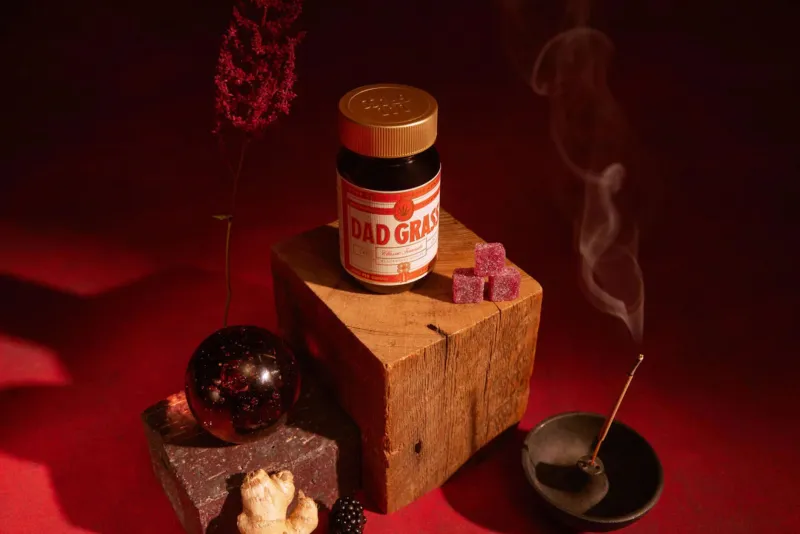
Most of us have been there. You reach into a drawer, a cabinet, maybe even a gym bag, and pull out a bottle of CBD gummies you completely forgot about. The expiration date is still a few months out — technically — but the gummies look a little different. Harder, maybe. Slightly faded. You shake the bottle and wonder: is this thing still worth anything?
It's a fair question, and honestly, not enough people ask it. CBD gummies aren't cheap, and if you're going to invest in your wellness routine, you probably want to know whether that investment has a real shelf life or whether it quietly fades out on you over time.
So let's dig into what the research and real-world data actually suggest about CBD degradation — and give you a practical timeline you can actually use.
Why CBD Doesn't Last Forever
CBD (cannabidiol) is a phytocannabinoid, which is a fancy way of saying it comes from a plant. And like most plant-derived compounds, it isn't immune to the effects of time, temperature, light, and air exposure.
The main culprit behind CBD degradation is a process called oxidation. When CBD molecules come into contact with oxygen over a sustained period, they begin to break down. Heat accelerates this process significantly. UV light does too. The result is a compound that's chemically different from what you started with — and far less effective.
In gummy form, there's an added layer of complexity. The CBD is suspended in a carrier (usually a fat or oil-based medium), mixed with gelatin or pectin, flavoring agents, and sweeteners. All of those components age on their own timeline. The gummy itself might go stiff or sticky before the CBD fully degrades — or the CBD might lose potency while the gummy still looks perfectly fine. Neither tells the whole story on its own.
The 3-Month Mark: Still in the Sweet Spot
At the three-month point, assuming your gummies have been stored reasonably well — meaning not baked on a sunny windowsill or rattling around in a hot car — potency loss is generally minimal. Studies on CBD oil stability suggest that degradation during this window tends to stay in the single-digit percentage range under decent conditions.
Practically speaking, a gummy you bought three months ago and kept in a cool, dark place should still be delivering close to its labeled dose. You're not losing much. This is the zone where most people are actively using their products anyway, so it rarely becomes an issue.
What to watch for: Changes in texture (unusual stickiness or hardness) can signal moisture issues or temperature fluctuation, even if potency hasn't dropped significantly yet.
The 6-Month Mark: Where Storage Choices Start to Matter
This is where things get more interesting — and more variable. By six months, the gap between a well-stored bottle and a poorly-stored one starts to widen in a meaningful way.
Research on cannabinoid stability generally shows that CBD stored at room temperature in amber or opaque packaging, away from direct light and heat, retains the majority of its potency through the six-month window. Some studies suggest retention rates of 85–95% under these conditions.
But that same product left in a warm bathroom cabinet, or stored in a clear container near a window? Degradation can accelerate considerably. You might be looking at potency closer to 70–80% of the original label claim — or lower.
For the average consumer, this is the point where it's worth doing a quick audit of where you're keeping your gummies and whether the conditions are actually working in your favor.
Practical tip: If you bought a larger bottle to save money but you're not a daily user, consider splitting the supply and keeping one portion in the refrigerator. Cold storage (not freezing) slows oxidation noticeably.
The 9-Month Mark: Honest Reassessment Time
At nine months, even well-stored gummies are starting to show their age in ways that matter. Potency loss at this stage can be significant enough to affect your experience — particularly if you've dialed in a specific dose that works for you.
The texture changes are often more obvious by now. Gummies tend to become either very firm and chewy or, in humid environments, slightly tacky and clumped together. Neither is dangerous, but both are signals that the product has been sitting long enough to degrade beyond its prime.
CBD that has partially oxidized may also convert into other cannabinoids — including small amounts of CBN (cannabinol), which has its own mild properties but isn't what you were originally paying for. So the product isn't necessarily inert; it's just different from what the label promised.
The honest call: If you've reached nine months and the gummies have been in anything less than ideal conditions, you're probably not getting full value from them anymore. It might be time to replace the bottle.
The 12-Month Mark: Use It or Lose It
Most CBD gummy products carry a manufacturer's expiration date somewhere in the 12–24 month range from production. But expiration dates are set under ideal storage conditions — they're not a guarantee that your specific bottle, in your specific home, has held up that well.
At the one-year mark, even products stored carefully will have experienced some measurable potency loss. Industry data and independent testing suggest that CBD can degrade by anywhere from 10–30% over a 12-month period under typical household conditions — and more if storage has been inconsistent.
The gummies themselves may still technically be safe to eat. Mold and bacterial growth are the real safety concerns with edibles, and a sealed, properly stored gummy is unlikely to present those issues. But "safe to eat" and "worth taking for wellness purposes" aren't the same thing.
The Back-of-the-Drawer Test
So back to that forgotten bottle. Here's a quick checklist to help you decide:
- Check the expiration date. If it's passed, that's your clearest signal.
- Look at the texture. Significant hardening, stickiness, or discoloration suggests degradation.
- Smell them. A rancid or off smell usually means the carrier oil or gelatin has turned.
- Think about where they've been stored. Warm, bright, or humid conditions accelerate everything.
- Consider the timeline. Over nine months in less-than-ideal conditions? Probably time to replace.
If the gummies pass most of those checks and you're within the six-month window, they're likely still worth finishing. Beyond that, especially past the year mark, you may be getting a fraction of what you're expecting — and that's not a great deal no matter how you look at it.
Getting More Life Out of Your Investment
The best storage setup for CBD gummies is a cool, dark location with low humidity — think a kitchen cabinet away from the stove, or even the refrigerator if you're not using them daily. Keep them in their original container (usually designed to limit light exposure) and make sure the lid is sealed tightly after each use.
Buying in quantities that match your actual usage habits also helps. A three-month supply for a daily user makes more sense than a year's worth sitting around degrading.
At Farms CBD Gummies, we're big believers in getting real value from every gummy you take. And real value starts with knowing that what you're putting in your body is still doing what it's supposed to do. When in doubt, fresh is always better — and now you've got the information to make that call with confidence.